How Metal Imagery is Shaping the Mainstream
Beyond the music, metal has built a rich imagery. Today, mainstream artists are picking up these codes and it’s influencing how they express themselves visually.
MUSICCULTURE
CYB3R GREEN
It’s everywhere now; those sharp, unreadable logos, those distorted fonts that look like tangled branches, those washed-out textures that once belonged to the metal lore and imagery. What used to scream black metal demo pressed in a basement in 1997 now sits on the merch tables of rap artists, fashion collabs, even pop campaigns. Scroll through album covers, artists merch or festival posters, the influence is impossible to miss. Somewhere between irony and fascination, the imagery of metal has become a new kind of visual norm in the most mainstream music genres.
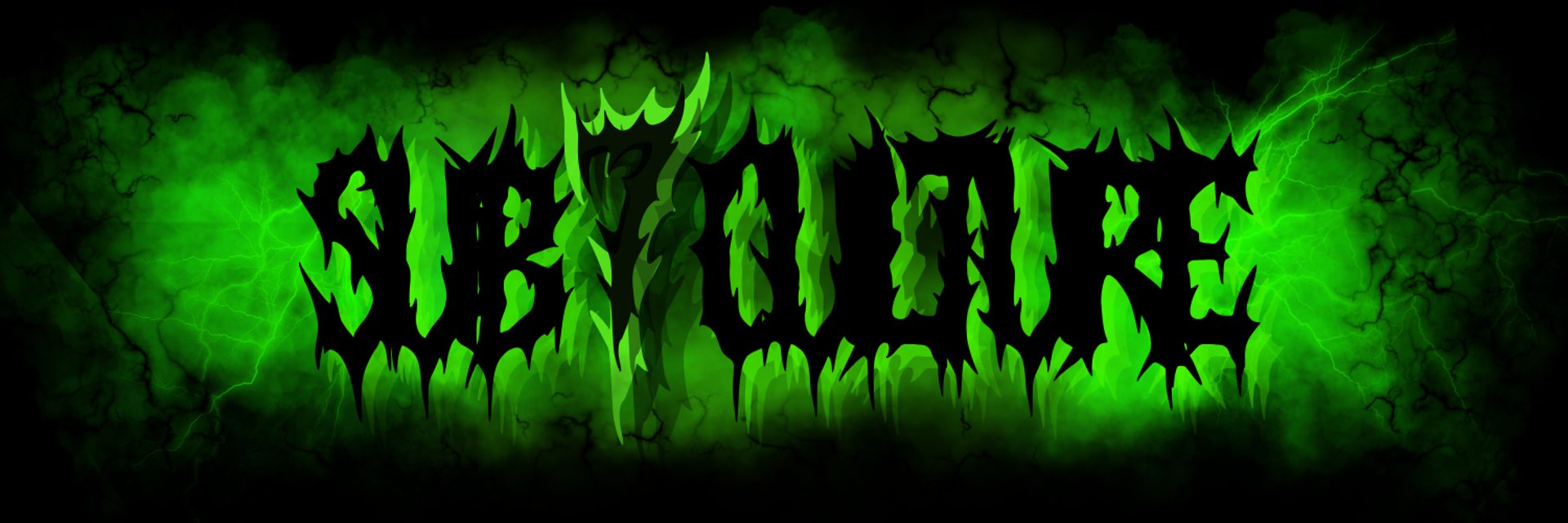
I also felt that shift a few months ago, working on a new indoor rap festival in Paris. Musically, it was mostly rap, trap and everything in between. But when the artists briefed me for visuals, they wanted something rougher. “90s rap mixtape mixed with rock vibes.”. The creative direction that we built was exactly that blend: a logo shaped like black metal band name; sharp, complex and almost unreadable but covered in a bling-bling effect to reference the title of 90s rap mixtape compilations. We then pushed the design toward that old-school metal tee aesthetic; slightly grainy, smoky backgrounds, flashes of light and lightings running through the lettering. It felt enthusiastic, but also a little strange: we were pulling from worlds that most of the audience still see as “other.”
Now, the metal iconography is everywhere. You see it in Playboi Carti’s darker style; his leather sets, vamp accessories and even the times he’s played with corpse-paint makeup. You see it in the visual art direction of Ptite Soeur’s, Neophron's and Femtogo's latest album project PRETTY DOLLCORPSE, with a cover that visually looks like a late-90s Norwegian black metal band’ frontman. And you see it in Rema’s live shows, where heavy guitar riffs blend into Afrobeats rhythms.


Ptite Soeur's latest album 'PRETTY DOLLCORPSE' (in collaboration with Femtogo and Neophron) cover.
Ptite Soeur's latest album 'PRETTY DOLLCORPSE' (in collaboration with Femtogo and Neophron) visual.


Playboi Carti's corpse paint look
Playboi Carti's corpse paint look on stage
Yet musically, the divide still exists. Metal as a sound is not always embraced by those same audiences. It’s the look that’s being absorbed; not the sonic heaviness, not the community. For many fans of more mainstream genres like rap or pop, metal remains this hostile world: screaming, extreme, demonic.
But metal isn’t just about visuals style. It’s a subculture on its own with its codes and an amazing diversity: heavy, black, death, doom, folk, thrash, progressive… each with its own imagery, musical characteristics and ways of connecting with fans. These are not just “looks” or trends; they carry history, meaning, and creative approaches that have been developed over decades.
Still, it’s not all bad news. These mix between metal and other genres can lead to something fresh when they come from a real place, when artists actually understand what they’re referencing. It’s about how mainstream culture keeps circling back to subcultures, picking up ideas that can be reinterpreted in new ways. When done thoughtfully, it opens doors for the artists and for the audiences.
At the end of the day, using metal’s imagery isn’t just about shock value or style. It can be a bridge, a way to connect different audiences, and a reminder that these visuals, like the music itself, have a lot to offer. If it’s done with awareness and respect, the mix of worlds can be exciting, playful and even inspiring.